Mill Lane rubbish collection guide for flats and HMOs
Posted on 25/06/2026

If you manage a flat block or HMO on Mill Lane, rubbish has a habit of becoming everyone's problem at once. One week the bin store is tidy, the next it is a small mountain of cardboard, food waste, and a mystery bag nobody wants to claim. This Mill Lane rubbish collection guide for flats and HMOs is here to make that mess feel manageable. We will look at how collection works in shared buildings, what tends to go wrong, how to keep residents on side, and when a professional uplift is the simplest answer. Straightforward, local, and useful. No fluff.
For landlords, letting agents, resident associations, and HMO operators, waste collection is not just an aesthetic issue. It affects hygiene, pest risk, fire safety, tenant satisfaction, and even how a property feels to live in. If you have ever opened a bin room on a Monday morning and thought, "Well, that escalated quickly," you are in the right place.
- Why this matters for Mill Lane flats and HMOs
- How rubbish collection typically works
- Key benefits of getting it right
- Who needs this guide
- Step-by-step guidance
- Expert tips for better results
- Common mistakes to avoid
- Tools, resources and recommendations
- Law, compliance and best practice
- Options and comparison table
- Real-world example
- Practical checklist
- Conclusion
- Frequently asked questions
Why Mill Lane rubbish collection guide for flats and HMOs Matters
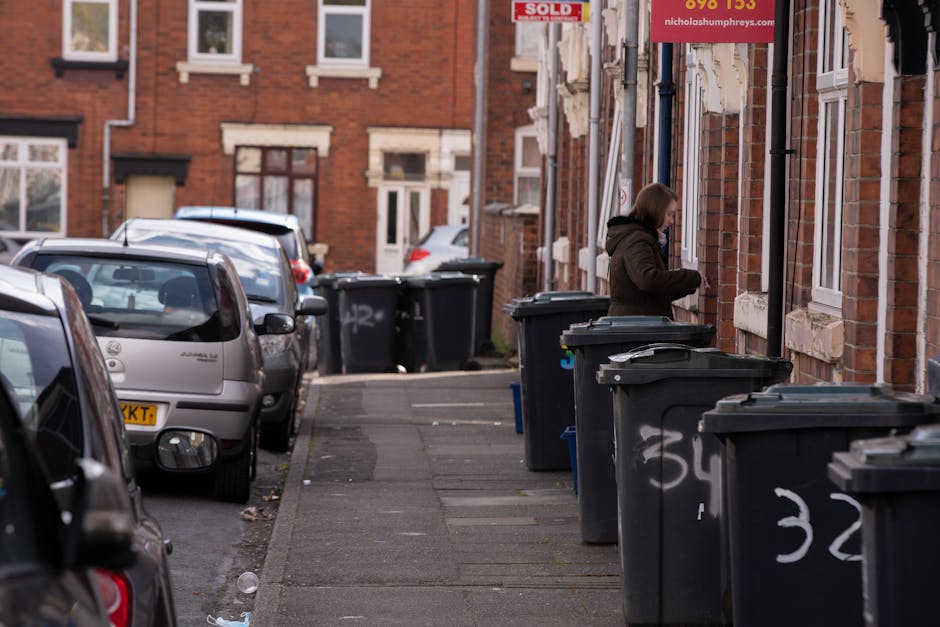
Shared homes create shared waste, and shared waste creates shared headaches if nobody is in charge. In a flat block, one missed collection or one overloaded bin can affect everybody. In an HMO, the challenge is usually bigger because more people, more routines, and more turnover mean rubbish accumulates faster. That is especially true around busy move-in and move-out periods, after refurbishments, or when people are simply not sure which bin is which.
The importance of a clear system goes beyond tidiness. Overflowing bins attract gulls, foxes, and rodents. They can block access routes, create unpleasant smells, and turn a decent building into somewhere residents apologise for before opening the front door. To be fair, nobody wants to carry a pizza box past a bin store that smells like it has had a rough week.
There is also a reputation angle. For landlords and managing agents, waste management is one of those quiet standards tenants notice immediately. They may not mention it when everything is running smoothly, but they will absolutely mention it when it is not. A clean, organised waste area suggests the building is cared for. A chaotic one suggests the opposite. That is just how people read a space.
If you are also thinking about wider property performance, it can help to look at the bigger picture of ownership and management in the area. Articles such as effective strategies for Hampstead property investments and investing in Hampstead real estate show how operational detail often supports long-term value. Waste is part of that detail. Not glamorous, but very real.
How Mill Lane rubbish collection guide for flats and HMOs Works
Rubbish collection for flats and HMOs usually sits somewhere between household bin use and small-commercial waste handling. The exact setup depends on the building, but the working parts are familiar: residents produce waste, bins are stored in a shared space, collections happen on scheduled days or by arranged uplift, and someone needs to make sure the whole thing does not fall apart in the middle.
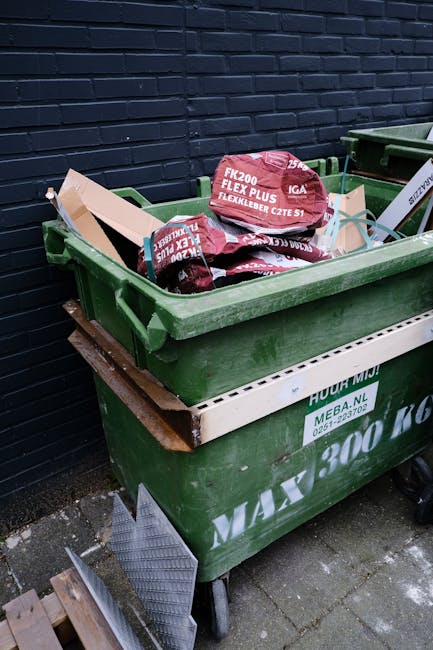
Most problems come from one of three things: not enough capacity, unclear responsibility, or poor access. If the bin store is too small, bags end up on the floor. If nobody knows who is meant to take bins out, they do not go out. If bulky items are left in the path, collection crews may not be able to get close enough. Simple issues, but they snowball fast.
In practical terms, a reliable system usually includes:
- the right number and type of bins for the number of occupants
- clear instructions for recycling, food waste, general waste, and bulky items
- a named person or managing agent responsible for oversight
- a plan for missed collections and excess waste
- regular checks on the bin store or collection point
For many buildings, the best approach is a mix of resident habits and periodic professional support. Day-to-day waste sits in the normal collection system. When there is a clear-out, tenancy changeover, or build-up that the regular bins cannot handle, a dedicated uplift is often the neatest solution. If you need a broad overview of what a rubbish service can cover, it may help to look at the services overview and compare it with your building's needs.
And yes, the small details matter. Whether bin lids close properly, whether the store is lit, whether recycling is labelled clearly, whether cardboard gets flattened. That stuff adds up. It really does.
Key Benefits and Practical Advantages
Done well, a rubbish collection routine for a Mill Lane flat or HMO makes the whole property easier to run. Here are the benefits that people notice first.
Cleaner shared spaces
This is the obvious one, but it is worth stating. Fewer loose bags, less odour, fewer spillages, and less mess around entrances and bin stores. Residents feel it immediately, especially in warmer weather when smells tend to show up by lunchtime.
Lower pest and hygiene risk
Overflowing waste is an open invitation to pests. Regular, well-managed collection reduces the risk of attracting vermin and helps keep shared areas more sanitary. That is not just a comfort issue; it is a building-management issue.
Better resident behaviour
People tend to follow clear systems. If recycling is labelled, bin days are visible, and bulky waste is handled in a predictable way, residents are much more likely to cooperate. Vague systems invite improvisation, and improvisation is where the problems begin.
Less time spent firefighting
For landlords and agents, a decent waste routine means fewer complaints, fewer emergency calls, and fewer awkward messages about "someone left a sofa by the gate." That last one comes up more often than anyone would like.
Improved tenant experience
A building that feels looked after is simply easier to live in. Shared waste areas are a small part of that, but they shape everyday impressions. If you are also focused on the wider livability of the area, is Hampstead suitable for families? gives a useful sense of how practical details affect residential appeal.
Who This Is For and When It Makes Sense
This guide is useful if you fall into any of the following groups:
- Landlords managing one or more flats or HMOs on Mill Lane
- Letting agents trying to keep communal areas compliant and presentable
- Resident associations dealing with recurring bin store issues
- Building managers responsible for storage, access, and uplift scheduling
- Tenants who want to understand what is expected in a shared home
It makes sense to review your setup when occupancy changes, after a refurbishment, after repeated missed collections, or whenever waste starts spilling into the wrong place. That might sound obvious, but it is often missed until the situation is already annoying everyone.
You should also pay attention if your building has mixed use, frequent short lets, or a high turnover of tenants. Those settings tend to generate more packaging, more moving waste, and more misunderstandings about who is doing what. If a property has recently undergone works, the need becomes even clearer. For those situations, a dedicated uplift can be easier than trying to squeeze everything into ordinary bins, especially if you are already dealing with renovation debris. Our builders waste disposal in West Hampstead guide is a useful companion for post-refurbishment planning.
Truth be told, the most successful buildings are not the ones with the fanciest waste system. They are the ones with a simple system that people actually use.
Step-by-Step Guidance
If you want a straightforward way to improve rubbish collection on Mill Lane, start here. Small steps, in the right order, usually beat dramatic overhauls.
- Assess the current waste volume. Look at how much general waste, recycling, and bulky waste the building produces in a normal week. Include move-outs and busy periods, not just an ideal week.
- Check bin capacity and storage. Are the bins enough for the number of residents? Can they be moved safely? Is the store clean, dry, and accessible?
- Assign responsibility. Somebody must be accountable, even if residents help day to day. In a lot of buildings, this is the biggest missing piece.
- Label everything clearly. Colour coding, simple signs, and plain instructions work better than long notices nobody reads.
- Set collection and presentation rules. Decide when bins go out, where they go, and what to do if a collection is missed.
- Plan for bulky and one-off waste. Old furniture, broken appliances, and spare mattresses need a separate process. Otherwise they linger. And linger.
- Review the system regularly. A good setup in September may need tweaking by winter or after a new wave of tenants moves in.
One practical tip: make the system easy at the point of use. If residents have to cross a dark courtyard, open three gates, and guess which bin is which, compliance drops off fast. A small amount of convenience can make a big difference.
If you are trying to avoid inflated costs or awkward surprises, reading how to avoid hidden rubbish removal charges in West Hampstead is a sensible next step. Waste gets expensive when nobody has clarified the terms.
Expert Tips for Better Results
These are the kinds of small improvements that tend to make a shared waste system work better for longer.
- Flatten cardboard immediately. It sounds trivial, but cardboard is one of the quickest ways to clog a bin store.
- Keep the bin area visible and well lit. People behave better in spaces that feel watched and maintained.
- Use simple resident reminders. Short notices work best: "Rinse, flatten, close the lid." That sort of thing.
- Schedule extra uplifts before major move-out dates. End-of-tenancy periods are predictable enough to plan for.
- Separate food waste from general waste where possible. It helps with smell and recycling quality.
- Do a quick bin-store check after weekends and bank holidays. Those are often the worst moments. It's always the Monday, isn't it?
Another useful habit is keeping a simple log of recurring issues. You do not need an elaborate spreadsheet. Just note repeated overflow days, contamination problems, or access issues. Patterns become obvious quite quickly, and once they do, the fix is usually easier than people think.
If the building is in a high-turnover area or used for longer stays, you may also want to consider the broader area context. Local character and resident profiles can affect waste habits more than people expect. A useful read is a local's perspective on Hampstead's character, which helps frame why some streets need more hands-on management than others.
Common Mistakes to Avoid
A lot of waste problems are not caused by bad intentions. They come from a few predictable mistakes repeated over and over.
- Assuming residents already know the rules. They often do not, or they only half know them.
- Underestimating packaging waste. Especially in furnished HMOs and during tenant changeovers.
- Leaving bulky items "for later." Later becomes next week, then next month.
- Placing bins where collection crews cannot access them easily. A good system still fails if crews cannot reach the point of uplift.
- Using vague notices. "Please be considerate" is not a system.
- Not checking who is responsible after staff changes. Properties sometimes drift into confusion after a managing agent changes or a caretaker leaves.
One of the biggest traps is reacting only after the issue becomes visible from the street. By then, residents are frustrated, neighbours have noticed, and the fix feels more urgent than it should have been. Prevention is simply easier. Not exciting, maybe, but easier.
If your building generates a lot of mixed waste, it can also help to look at broader waste handling options rather than relying only on routine bin use. The general waste removal West Hampstead page is a good reminder that different waste streams need different handling.
Tools, Resources and Recommendations
You do not need a complicated toolkit, but a few practical items make a noticeable difference.
| Tool or resource | What it helps with | Best for |
|---|---|---|
| Clear bin labels | Reducing contamination and confusion | Flats and HMOs with shared recycling |
| Indoor or outdoor signage | Reminding residents what goes where | Buildings with turnover or shared kitchens |
| Covered storage area | Keeping bags dry, contained, and tidy | Blocks with ground-floor bin rooms |
| Collection calendar | Preventing missed set-out days | Every shared property, honestly |
| Dedicated uplift support | Handling bulky waste or overflow | Move-outs, refurbishments, and busy periods |
For practical payment confidence and service planning, it is also worth understanding how a provider handles transactions and booking. The pages on payment and security and pricing and quotes can help you think through what a transparent setup should look like before you commit.
When reviewing possible support, choose a provider that is clear about what is included, how collections are arranged, and what happens if access is tricky. That last bit matters more than people think, especially in older buildings where stairwells are narrow and parking is, well, a little optimistic.
Law, Compliance, Standards, or Best Practice
This section needs a careful tone. Waste obligations can vary depending on property type, who generates the waste, and how collections are arranged. For flats and HMOs, the safest approach is to follow the building's local waste arrangements, keep shared areas tidy, and make sure waste is stored and presented in a way that does not create a nuisance or risk.
In UK practice, landlords and managing agents are expected to think sensibly about fire safety, hygiene, and access. That means rubbish should not block exits, corridors, or communal pathways. It also means waste should not be left to build up in a way that creates odour or attracts pests. Common sense, but common sense that needs repeating.
Camden-facing homes and shared buildings should also stay aligned with local waste rules and collection expectations. If you want a local plain-English overview, the article on Camden Council waste rules for West Hampstead homes is a useful companion piece. It is especially helpful if residents keep asking what can go in which bin, or when bulky items should be separated.
Best practice usually means:
- keeping waste contained and out of shared walkways
- using designated storage rather than leaving bags in ad hoc spots
- maintaining clear access for collection
- separating reusable, recyclable, and general waste where possible
- recording recurring issues so they can be fixed rather than ignored
If your building produces unusual volumes of rubbish, or if there is renovation waste mixed in with normal household waste, use a separate plan rather than hoping the regular bins will absorb it all. They rarely do.
Options, Methods, or Comparison Table
Not every property needs the same approach. Some buildings run fine on routine council-style collections and good resident habits. Others need more regular oversight or one-off uplifts. Here is a simple comparison to help you decide what suits your building.
| Method | Best for | Strengths | Limitations |
|---|---|---|---|
| Routine shared-bin collection | Smaller blocks with predictable waste | Simple, familiar, low effort | Can struggle with overflow and bulky items |
| Managed bin-store system | HMOs and larger flat buildings | More control, clearer accountability | Needs someone to oversee it |
| One-off rubbish uplift | Clear-outs, move-outs, surplus waste | Quick reset, removes pressure on bins | Not a substitute for daily waste habits |
| Ongoing waste removal support | Busy HMOs, refurbishment-heavy buildings | Best for consistent control and convenience | Needs planning and budgeting |
If you are weighing up whether to call in extra help, a same-day or rapid response can be useful after a tenancy change, if a bin store has backed up, or when fly-tipping creates an immediate issue. The article on West Hampstead rubbish collection same-day quotes gives a good sense of how quickly some waste issues can be dealt with when timing matters.
The right method is the one that keeps the building calm. That sounds simple, but calm buildings are usually well managed buildings.
Case Study or Real-World Example
Imagine a three-storey HMO on Mill Lane with eight residents and a small shared bin store. Everything looks fine on paper. But in practice, the building gets a lot of takeaway packaging, a fair bit of online shopping cardboard, and regular end-of-tenancy clear-outs. The bins are technically present, but not enough for peak weeks. Bags begin to sit beside the bins. Someone places a broken chair by the gate, intending to deal with it later. By the following evening, there are two more bags and a box of damp cardboard. Not ideal.
The fix was not dramatic. The managing agent introduced clearer bin labels, added a weekly check, arranged an extra uplift before tenant changeovers, and gave residents a simple rule: flatten cardboard, keep lids closed, and report bulky waste immediately. A small notice inside the lobby spelled out who to contact. Nothing fancy. Within a few weeks, the area looked cleaner, complaints dropped, and the bin store stopped feeling like an afterthought.
That kind of improvement is common. You rarely need a complete overhaul. Most of the time, what you need is structure, consistency, and one person actually watching the system instead of assuming someone else has sorted it. Tiny bit of friction, big difference.
Practical Checklist
Use this checklist if you want a fast review of your Mill Lane flat or HMO rubbish setup.
- Bin capacity matches the number of residents
- Recycling, food waste, and general waste are clearly labelled
- Residents know where to put bulky items
- The bin store is clean, dry, and easy to access
- Bags are not left in walkways or near exits
- There is a named person responsible for oversight
- Collection days are shared with residents
- Missed collections have a backup plan
- Move-out periods are covered with extra capacity
- The setup is reviewed regularly, not only when something goes wrong
If you can tick most of these off, you are probably in decent shape. If not, do not panic. Most waste systems improve quickly once the basics are in place.
Get a free quote today and see how much you can save.
Conclusion
A good Mill Lane rubbish collection setup for flats and HMOs is really about keeping life simple for everybody in the building. Clear rules, sensible storage, enough capacity, and a plan for bulky waste will solve most problems before they become visible. That is the goal, after all: fewer surprises, fewer complaints, and a cleaner shared space that people can live with comfortably.
Whether you manage a single HMO or several flats, the same principle applies. Waste is easier to control when responsibility is clear and the system is easy to follow. And once that happens, the whole property feels better. A bit calmer. A bit more cared for. Which, let's face it, is never a bad thing.
If you are mapping waste management alongside the wider running of a building, it can help to keep one eye on trust, transparency, and service quality. The tone of a property often starts at the bin store, oddly enough. Sort that out, and a lot of other things tend to fall into place.

From a young age, Blair has cultivated a passion for order, which has now matured into a prosperous profession as a waste removal specialist. She derives satisfaction from transforming disorderly spaces into practical ones, aiding clients in conquering the burden of clutter.
 Tipper Van - Rubbish Collection and Waste Clearance Prices in West Hampstead, NW6
 Luton Van - Rubbish Collection and Waste Clearance Prices in West Hampstead, NW6